
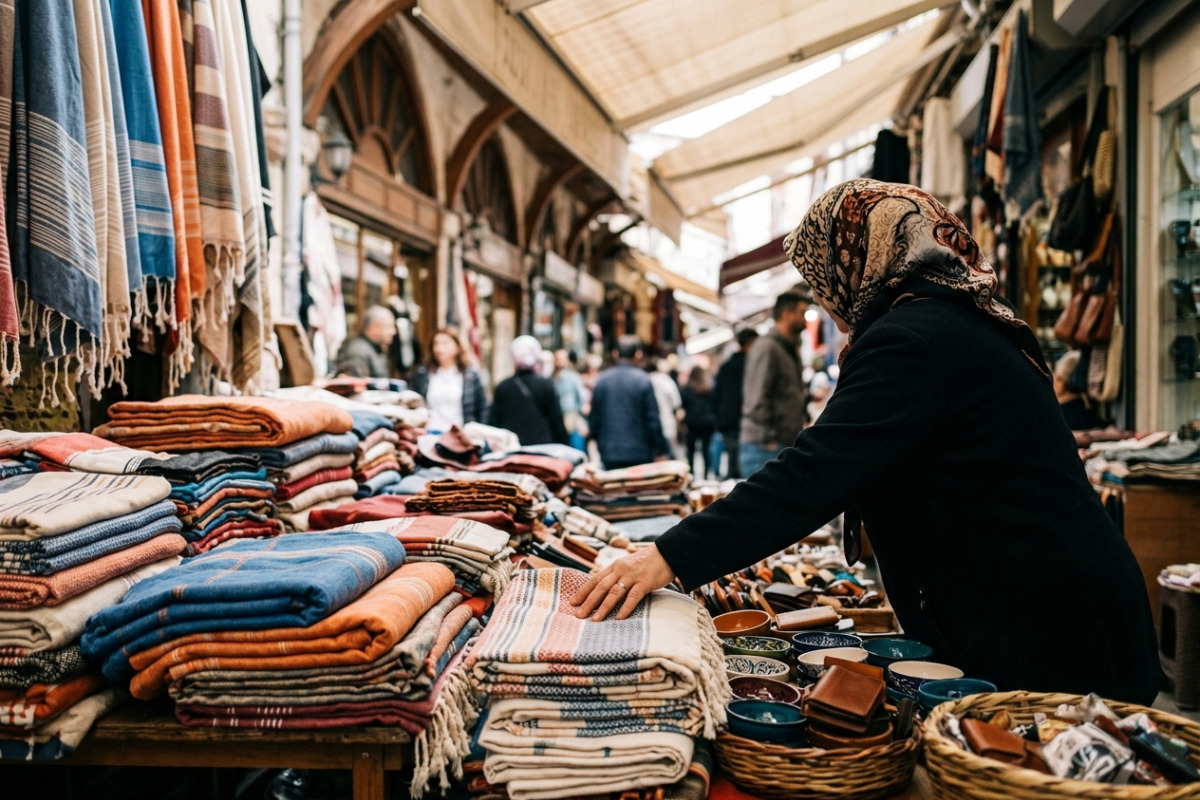
If you plan to score real value without falling for tourist traps, Istanbul bargain shopping deserves a little strategy. From centuries-old covered bazaars to neighborhood flea markets, you can uncover authentic textiles, ceramics, and antiques—but only if you know where to look and how to negotiate. This guide gives you practical steps to save money, verify quality, and carry purchases home comfortably.
Where to hunt: markets and neighborhoods that reward persistence
Start with the classics, but don’t stop there. The Grand Bazaar and Spice Bazaar remain rich for variety and spectacle, yet the best bargains often appear in nearby side streets and lesser-known districts. Exploring Fatih (especially the Wednesday Market), the wholesale-focused streets of Laleli, and the vibrant Asian-side bazaars in Kadıköy reveals shops with lower overheads and more local prices.
For unique, pre-loved finds, head to specialized areas. The Feriköy Antika Pazarı (open Sundays) is a true flea market with rotating stock, while the Çukurcuma neighborhood is famous for its permanent antique boutiques and vintage shops. Keep in mind that each neighborhood has its rhythms: tourist-heavy areas reward patience and comparison-shopping, while local markets reward relationship-building and repeat visits.
Grand Bazaar & surrounding lanes
The Grand Bazaar is an essential stop for variety and atmosphere, but you’ll often find more competitive prices in the Han (inns) and connecting streets like Mahmutpaşa. Walk a few blocks out, compare prices across independent shops, and don’t buy from the first vendor who offers a “special” price. Ask to see similar items and treat the bazaar as a research trip before committing.
Flea markets and local markets
Flea markets reveal generational items and handmade goods that rarely appear in guidebooks. Speak to stallholders about provenance; honest sellers often enjoy sharing a story about an item. Use cash for small purchases and ask for a business card for potential follow-ups—the best deals sometimes come from returning customers.
Istanbul bargain shopping: negotiation etiquette & tactics
Haggling is part of the cultural fabric, but technique matters. Approach negotiations with good humor and confidence: smile, start considerably below the price given, and always be ready to walk away. Sellers expect a counteroffer, so set your target price mentally before you start. Note: Haggling is expected in bazaars and antique shops, but it is not appropriate for food, spices in small amounts, or fixed-price modern retail stores.
- Polite opener: Ask a question about the item first—materials, age, or origin—to build rapport.
- Anchor low: Offer about 40–60% of the initial asking price in tourist areas, but be more conservative in local neighborhood shops.
- Use silence: If the seller pauses, hold your offer; silence can prompt a better concession.
- Bundle for savings: Buying multiple items usually unlocks deeper discounts—offer a combined price.
- Cash advantage: Pay in local currency (TL) for a better deal; vendors may add credit-card fees or offer discounts for "cash only."
Remember: bargaining is a social exchange. If a vendor refuses to lower the price to your limit, thank them and move on—this preserves goodwill and may prompt a last-minute call after you’ve walked away.
Spotting quality and avoiding fakes
Saving money matters less if you buy a fake or poor-quality item. For textiles, check weave tightness, edge finishes, and natural dye inconsistencies. For ceramics, tap lightly to hear a clear ring (dull thuds often signal low-quality materials or cracks). Metals should have genuine hallmarks (like .925 for silver); ask for a receipt or certificate if the seller claims precious metal content.
| Product | What to check | Red flags |
|---|---|---|
| Carpets & kilims | Knots per square inch, fringe finish, natural dyes | Perfectly uniform pattern, cheap synthetic smell |
| Jewelry & metals | Hallmarks, weight, magnet test for base metals | No markings, extremely light for size |
| Antiques | Patina, joins, provenance story | Uniform aging, modern Phillips-head screws or glue |
Practical logistics: payments, packing, timing and VAT
Plan how you’ll pay and transport purchases before you overspend. Carry enough Turkish lira for haggling; large purchases can be paid by card, but confirm whether the vendor charges extra. For big textiles or ceramics, ask whether the shop offers courier services or professional packing—many reputable shops will wrap and crate for international shipment.
Consider the timing: weekdays and early mornings are quieter, allowing better attention and time to inspect goods. Sundays are the only day for the Feriköy flea market, while some local bazaars only happen on specific weekdays. Note that Turkey’s VAT refund (Tax-Free) rules apply to purchases over a certain limit: keep your passport handy, ensure the shop is a participant, and ask for the tax-free form at the point of sale.
Summary and next steps
With a little preparation and cultural sensitivity, Istanbul bargain shopping becomes a rewarding experience that blends discovery and value. Focus on markets that suit your interests, practice respectful negotiation, verify quality before you pay, and think ahead about payment and shipping logistics.
If you want district-specific recommendations and up-to-date market schedules, check our detailed Istanbul shopping guide and plan your route before you go. Happy hunting—shop smart and enjoy the hunt!